A plumbing problem rarely starts with a dramatic burst pipe. More often, it begins with a slow drain, running toilet, dripping fixture, inconsistent water pressure, or a small damp spot that is easy to overlook. For property owners searching for plumbers in Clermont, FL, regular maintenance can help identify these issues before they become disruptive repairs. Understanding what to inspect, when to call a professional, and which warning signs matter most can make property maintenance more predictable.
Why Do Clermont Properties Require Plumbing Repair and Maintenance Services?
Clermont properties rely on interconnected plumbing components every day, from supply lines and fixtures to water heaters, drains, sewer connections, and outdoor irrigation.
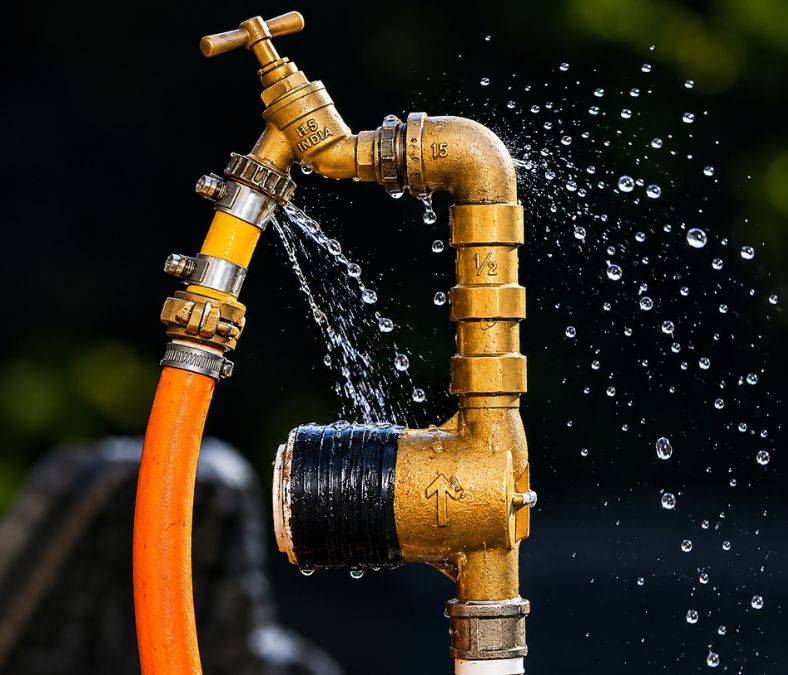
Routine maintenance helps property owners identify wear, leaks, blockages, and pressure-related problems before they interfere with normal use. The City of Clermont specifically advises property owners and tenants to watch for internal and external leaks, running toilets, faucets, and hoses, and to address leaks promptly.
This is particularly important because responsibility for certain service lines can fall on the property owner. Clermont explains that owners are generally responsible for portions of water and sewer laterals on their side of the city’s connection points.
What Plumbing Problems Should Property Owners Watch For?
The most useful approach is to look for changes rather than waiting for a complete failure.
| Warning Sign | Possible Concern | Recommended Response |
|---|---|---|
| Unexplained higher water bill | Hidden leak or excessive usage | Check fixtures and irrigation, then investigate further |
| Slow drains | Buildup or developing blockage | Avoid repeated chemical treatments and assess the cause |
| Running toilet | Worn internal component or leak | Inspect the tank and repair promptly |
| Low or inconsistent pressure | Supply, valve, or pressure issue | Have the system evaluated |
| Damp cabinet or wall area | Plumbing connection or pipe leak | Investigate before moisture spreads |
| Water heater moisture | Connection or tank-related issue | Arrange professional inspection |
The EPA’s WaterSense program recommends regular leak checks and notes that leaks can waste water and contribute to property damage. It also recommends checking water heaters, toilets, faucets, and other water-using fixtures as part of ongoing home maintenance.
How Often Should Plumbing Maintenance Be Performed?
There is no single maintenance schedule that fits every property. Age, occupancy, plumbing materials, water usage, previous repairs, and the condition of individual components all affect how often a system should be checked.
A practical routine is to perform simple visual checks throughout the year and arrange professional attention when you notice a change in performance.
Property owners can regularly look for:
- Drips beneath sinks and around supply connections
- Toilets that continue running after flushing
- Slow drainage in frequently used fixtures
- Moisture around the water heater
- Unusual sounds from pipes or fixtures
- Unexpected changes in water usage
For properties with older plumbing or recurring problems, a professional inspection can provide a more useful baseline than simply waiting for the next failure.
What Can Owners Do Between Professional Visits?
Good maintenance starts with knowing what is happening throughout the property.
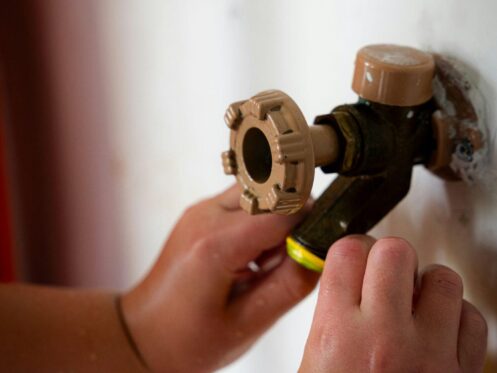
Check water bills for unusual increases, inspect accessible fixtures, and know where the main water shutoff is located. Clermont’s own leak-detection guidance also recommends simple checks for toilets, hose bibs, water heaters, faucets, valves, and irrigation components.
Avoid turning every plumbing issue into a do-it-yourself project. A small accessible fixture may be straightforward to address, but concealed leaks, persistent drainage problems, water heater concerns, or suspected line damage deserve professional evaluation.
Can Plumbing and HVAC Maintenance Be Managed Together?
For property owners who prefer coordinated home-system maintenance, working with a company that also provides HVAC in Clermont, FL can simplify service planning.
Plumbing and HVAC are separate systems, but both affect everyday comfort and property reliability. Keeping service records, noting recurring issues, and scheduling maintenance before seasonal demands increase can make it easier to stay ahead of larger problems.
If you want to understand common plumbing warning signs in another Central Florida market, you can also read Common Plumbing Problems in Lakeland That May Require Professional Help for additional practical guidance.
When Should You Call a Professional?
Call a plumbing professional when an issue persists, worsens, or involves a component you cannot safely evaluate yourself.
Prompt attention is especially sensible for active leaks, sewage backups, significant water-pressure changes, water heater leaks, repeated drain blockages, or unexplained water usage.
Regular maintenance is ultimately about more than preventing inconvenience. It gives Clermont property owners a clearer understanding of their plumbing system, helps identify problems earlier, and supports more informed repair decisions. Snowbird Heating & Cooling can provide professional plumbing support alongside its broader property-system services, helping owners address issues before they become harder to manage.
Keep Your Plumbing Running Reliably
For professional plumbing maintenance and repair services in Clermont, contact Snowbird Heating & Cooling.
Key Takeaways
- Regular plumbing maintenance can help Clermont property owners identify leaks, drainage issues, water heater problems, and other concerns earlier.
- Property owners should monitor water bills, fixtures, toilets, water heaters, and accessible plumbing connections for changes.
- Clermont property owners may be responsible for certain plumbing components and water loss on their side of the utility connection.
- Professional inspections are particularly useful when plumbing problems persist, recur, or involve concealed components.
Frequently Asked Questions:
Why do Clermont properties need regular plumbing maintenance?
Regular maintenance helps identify leaks, worn components, drainage problems, water heater issues, and other plumbing concerns before they become more disruptive.
What are common signs that a Clermont property needs plumbing service?
Common warning signs include unexplained increases in water usage, slow drains, running toilets, damp areas, unusual pipe sounds, and inconsistent water pressure.
How often should plumbing systems be inspected?
There is no universal schedule. The appropriate frequency depends on the property's age, plumbing condition, usage, previous repairs, and individual maintenance needs.
What plumbing checks can property owners perform themselves?
Owners can visually inspect accessible fixtures, check for running toilets and dripping faucets, monitor water bills, and look for moisture around water heaters and plumbing connections. The EPA also recommends regular leak checks.
When should I call a professional plumber?
Professional assistance is appropriate for active leaks, recurring blockages, sewage backups, significant pressure changes, water heater leaks, or problems that cannot be safely diagnosed or repaired.