Your water heater is an appliance that works quietly behind the scenes in your home. It provides you with warm showers, clean dishes, and the hot water you rely on daily. Like any appliance, however, it will not last forever.
Ignoring early warning signs often leads to breakdowns and costly repairs. In some cases, it can even cause water damage in your home. Knowing when to call in professionals from our team is an important step in preventing bigger issues.
In this blog, we look at 10 signs that your water heater may need repair—or in some cases, replacement.
1. Inconsistent or No Hot Water
One of the most obvious signs of a problem is when your water heater can’t consistently deliver hot water. If your showers suddenly turn cold or you are struggling to get any heat at all, it’s time to investigate.
This issue can be the result of a failing heating element, sediment buildup, or a malfunctioning thermostat. In some cases, it may also stem from plumbing crossover issues or high demand. While some fixes are straightforward, others require professional attention. If your hot water is unreliable, your system could be on its way to failure.
2. Strange Noises Coming from the Tank
If your water heater starts popping, rumbling, or banging, it’s trying to tell you something. These sounds usually result from sediment hardening at the bottom of the tank. As water becomes trapped under sediment, it can turn to steam and bubble up, creating noise.
Other noises may come from thermal expansion or water hammer in the pipes. While flushing the tank often solves sediment-related issues, persistent noises may indicate more serious wear inside the tank or heating components.
3. Rusty or Discolored Water
When your tap water looks rusty or dirty, your water heater tank could be corroded inside. Corrosion weakens the tank walls and may eventually lead to leaks. To confirm whether the issue is with your heater or your plumbing, run cold water from the tap. If only the hot water looks rusty, the water heater is the likely culprit.
Be aware that corrosion inside the tank typically means replacement is the only long-term fix.
4. Water Leaks Around the Tank
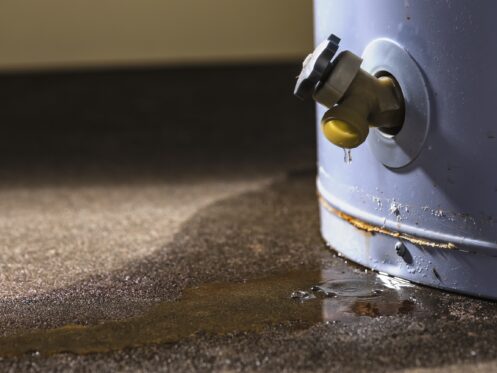
Water pooling near the base of your water heater is never a good sign. Leaks can come from fittings, the drain valve, or the temperature and pressure (T&P) relief valve. A cracked tank itself, while less common, usually requires full replacement.
Even small leaks can damage your floors, walls, and surrounding areas. Acting quickly prevents worsening water damage and higher repair costs.
5. Fluctuating Water Temperatures
Does your water alternate between hot, warm, and cold in the same shower? Fluctuating water temperatures often signal thermostat issues, mineral buildup, or a failing heating element. In some cases, anti-scald mixing valves or plumbing issues may be the cause.
Regardless, inconsistent temperatures are inconvenient and signal that your system isn’t operating efficiently.
6. Reduced Hot Water Pressure
Low hot water pressure can be frustrating and is sometimes linked to sediment or scale buildup in the system. However, pressure issues are more often caused by buildup in pipes, valves, or aerators rather than the tank itself.
If your hot water pressure drops, it’s worth having a professional diagnose whether the water heater or plumbing is to blame.
7. Water Has a Metallic Taste or Odor
If your hot water smells strange or tastes metallic, your water heater could be deteriorating from the inside. However, odors in hot water are more commonly due to bacteria reacting with the anode rod, producing a sulfur or “rotten egg” smell.
While unusual tastes and odors are generally nuisance issues rather than health hazards, they can indicate corrosion or buildup inside the tank that requires attention.
8. Frequent Pilot Light or Ignition Issues
For gas water heaters, a pilot light that won’t stay lit is a common problem. It may stem from a faulty thermocouple, dirty components, drafts, or venting issues. Problems with the gas supply can also be to blame.
For models with electronic ignition, you may notice failures to spark consistently. While relighting a pilot may be simple, repeated failures require professional inspection to keep your system safe.
9. Your Water Heater Is Getting Old
Most water heaters have an average lifespan of 8–12 years for gas units and 10–15 years for electric models. Systems in areas with hard water or without regular maintenance may fail sooner.
If your water heater is within this age range and showing any of the warning signs above, it may be time to plan for replacement rather than repair. Proactive planning helps avoid the disruption of a sudden breakdown.
10. Rising Energy Bills
A water heater in poor condition may work harder to deliver hot water, which increases energy usage. Sediment buildup, failing heating elements, or worn components reduce efficiency over time.
That said, rising utility bills can also result from changes in household usage or rate increases. If other causes are ruled out, an aging or inefficient water heater may be the source.
Why Early Action Matters
Ignoring the warning signs of a failing water heater often leads to bigger problems. What starts as a small leak or inconsistent heating can escalate into major water damage or system failure. Addressing issues early not only saves money but also helps ensure your home stays comfortable and functional.
Call the Experts for Water Heater Repair
When you notice any of these signs, don’t wait for the problem to get worse. A professional plumber from our team at Snowbird Heating & Cooling can diagnose the issue. We will recommend the best course of action and restore your system to reliable operation. Whether your water heater needs repair or it’s time for a full replacement, we are here to help.
Schedule your water heater or tankless water heater inspection today with Snowbird Heating & Cooling and get peace of mind knowing your home’s hot water is in good hands.